
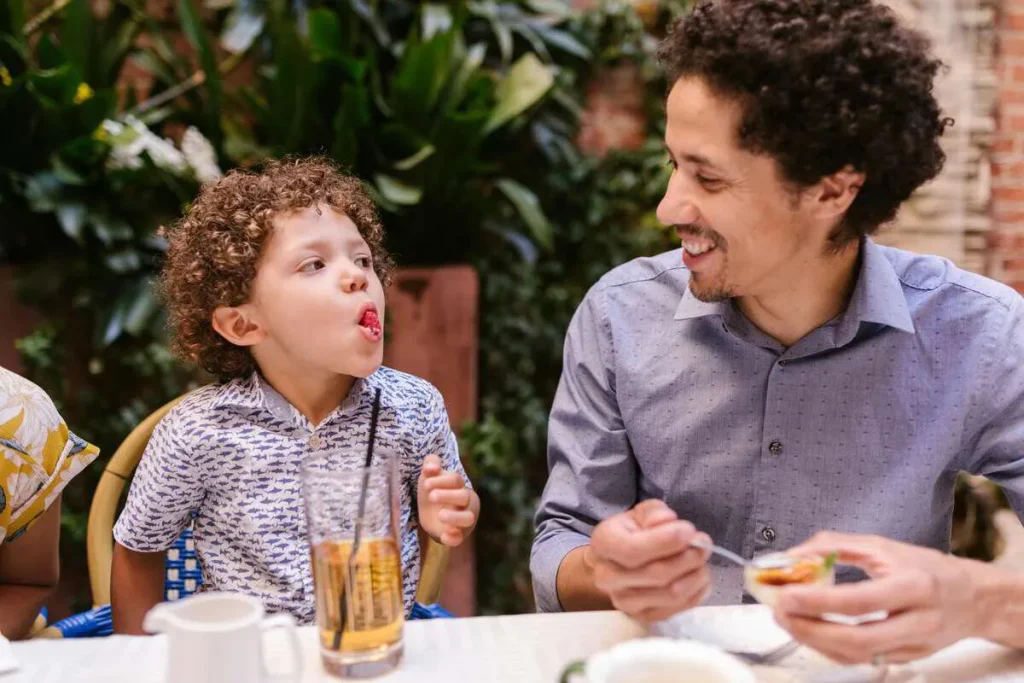
Parents are the most influential figures in a child’s life, especially when it comes to shaping eating habits and lifestyle choices. The behaviours parents model, whether consciously or unconsciously, profoundly impact their children’s health and well-being.
When it comes to parenting children, role modelling is one of the most effective strategies for fostering healthy habits. Parents who practice and encourage healthy eating, physical activity and emotional wellness set the standard for their children to follow.
In this blog, we will explore how healthy family meals and lifestyle habits influence children’s eating behaviours, how parents can create a positive food environment at home and practical tips on involving your children in the process.
Blog Summary: The Importance of Role Modelling Healthy Habits for Parents
- Children Imitate Parents’ Habits. Kids naturally mirror their parents’ eating, exercise and self-care behaviours, making parental role-modelling vital for long-term health outcomes.
- Healthy Family Meals. Parents set the standard by preparing balanced meals, limiting processed foods, involving kids in cooking and modelling portion control.
- Active Living Routines. Families that exercise together, limit screen time and encourage active play build positive, lasting attitudes toward movement.
- Open Communication About Health. Honest, age-appropriate conversations that avoid stigma and focus on energy, strength and well-being help kids develop healthy mindsets.
- Involving Kids in Lifestyle Choices. Engaging children in meal planning, family health goals and fun active challenges makes them more invested in healthy living.
1. Children Imitate Their Parents’ Habits
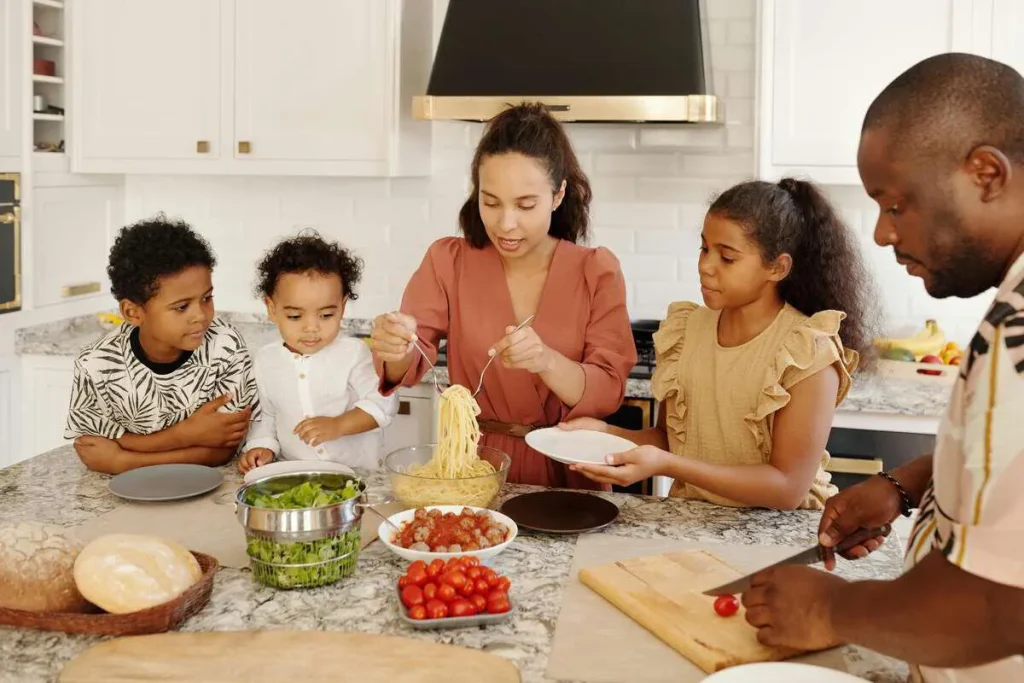
Children are natural imitators. From an early age, they observe and mimic the behaviour of their parents and caregivers. This is why parents’ eating and lifestyle habits play such a crucial role in shaping children’s health outcomes. If parents frequently eat unhealthy foods, skip meals or show a lack of interest in physical activity, children are more likely to adopt similar behaviours.
Conversely, when parents demonstrate a positive relationship with food, exercise and self-care, children are more likely to mirror these actions. Research consistently shows that children are more likely to engage in physical activity and make healthier food choices when they see their parents doing the same.
By role-modelling healthy habits, parents not only teach their children what to eat but also how to approach food and health positively. This can significantly influence the likelihood of children maintaining healthy weight ranges and reducing the risk of obesity and other health-related issues later in life.
2. Setting the Standard: Healthy Family Meals
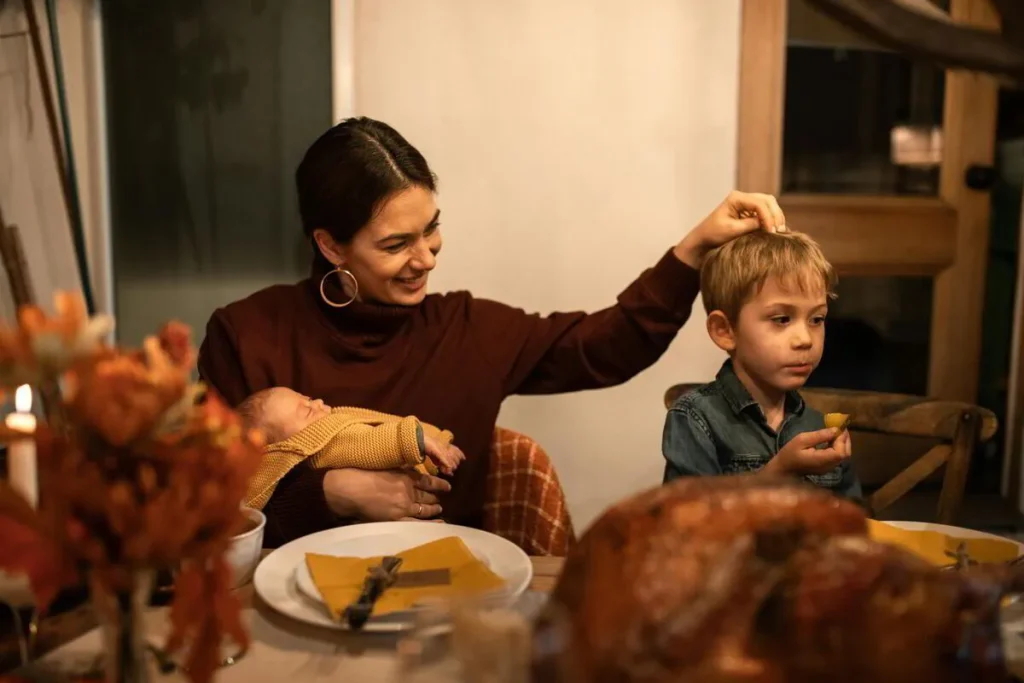
One of the most important areas where parents can lead by example is through healthy family meals. The kitchen and dining table are central to a child’s development of eating habits. Research has shown that family meals are strongly linked to healthier food choices, better nutrition and reduced risk of obesity in children.
How parents can set the standard:
- Plan Balanced Meals: Parents can ensure that meals are well-rounded and include a variety of fruits, vegetables, lean proteins, healthy fats and whole grains. When children see their parents making balanced meals, they learn to appreciate the importance of nutrition.
- Limit Processed Foods: Offering whole foods instead of highly processed or sugary snacks sets a powerful example. It’s essential to avoid making highly processed foods a staple in the home.
- Involve Children in Cooking: Involving kids in meal preparation can help them understand where their food comes from and how it contributes to their health. It also allows children to take ownership of their nutrition, making them more likely to eat healthy foods.
- Model Portion Control: Parents should also be mindful of portion sizes. When children see their parents practising portion control and not overeating, it reinforces the idea of balanced eating.
Incorporating these practices into your family’s routine can help children develop lifelong healthy eating habits.
3. Establishing Healthy Routines for Active Living
Physical activity is another crucial aspect of a healthy lifestyle. As role models, parents have the power to show their children that exercise is not just important, but also enjoyable. Encouraging regular physical activity helps children develop a positive attitude towards fitness, which in turn contributes to better physical health, mental well-being and weight management.
How parents can role model active living:
- Exercise Together: Parents should aim to make physical activity a family affair. Whether it’s taking a walk, riding bikes, dancing in the living room or playing sports, engaging in physical activities together is a fun way to promote exercise.
- Limit Sedentary Behaviour: Just as it’s important to encourage physical activity, parents should lead by example by limiting sedentary activities such as excessive screen time. Research suggests that children who spend more time in front of screens are more likely to develop unhealthy weight patterns.
- Promote Active Play: Especially for younger children, active play is essential. Encouraging outdoor games or playing at the park fosters not only physical health but also social and emotional development.
By integrating movement into daily life and prioritising physical activity as a family, parents set a positive standard for their children’s relationship with exercise.

4. Opening Communication About Health
Another powerful tool for fostering healthy habits is open and supportive communication about health. Parents should make an effort to discuss health in an age-appropriate, non-judgmental way. This fosters a positive attitude towards health and wellness, helping children understand the value of healthy eating and active living.
How parents can foster open communication:
- Discuss the “Why” of Healthy Eating: Rather than simply telling children to eat healthy, explain why it’s important. For example, explain how fruits and vegetables help our bodies grow strong or how physical activity helps us feel good.
- Avoid Stigmatising Conversations Around Weight: It’s crucial to approach the topic of weight and health with sensitivity. Focus on health, energy and strength rather than numbers on a scale. Conversations about healthy habits should always be framed positively, without shame or guilt.
- Encourage Questions: Creating an open environment where children feel comfortable asking questions about food, health and nutrition is vital. This ensures they understand the importance of making healthy choices and feel empowered to take responsibility for their health.
By making health a regular part of family discussions and focusing on the positives, parents help children develop a healthy relationship with food, exercise and body image.
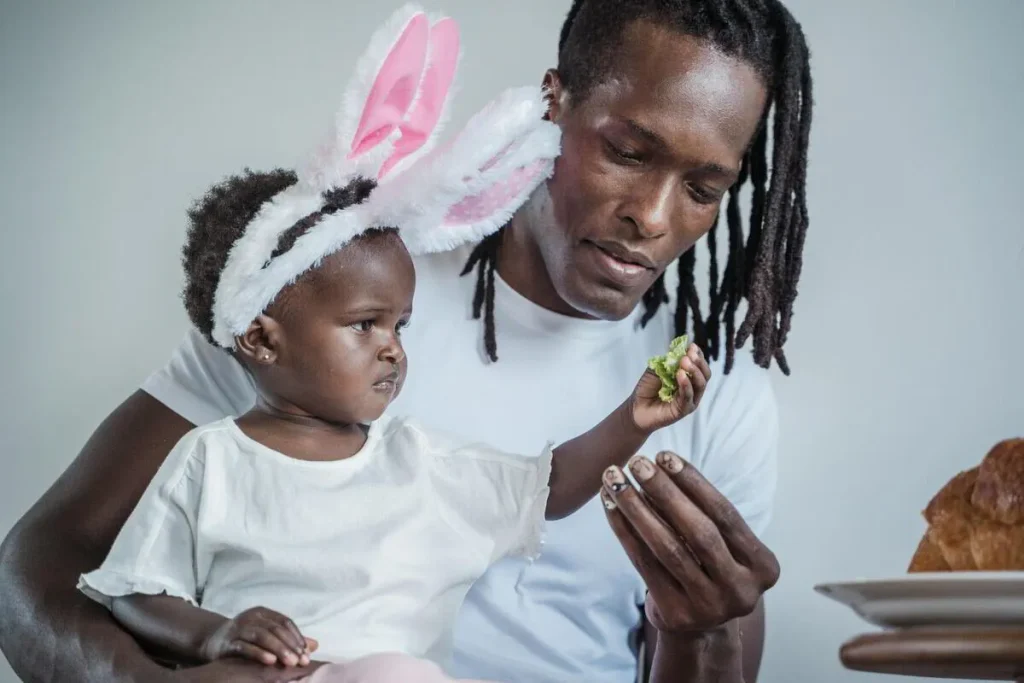
5. Involving Kids In a Healthy Lifestyle
Involving children in the process of adopting a healthy lifestyle can make them feel included and motivated to make positive changes. The more children are included in making decisions about food, exercise and overall health, the more likely they are to embrace these changes.
How to involve your kids in the process:
- Let Kids Help Plan Meals: Encourage your children to choose healthy recipes or select fruits and vegetables at the grocery store. Involving them in meal planning and shopping allows them to feel empowered and involved.
- Set Family Health Goals: Make health a family goal by setting specific, measurable objectives like “We will walk together after dinner every day” or “We will try two new vegetables this week.” Setting goals together creates a sense of unity and shared responsibility for everyone’s health.
- Encourage Healthy Competition: Challenge your kids to compete in fun and active ways, such as seeing who can do the most jumping jacks or run the fastest laps around the yard. Healthy competition encourages active living while strengthening family bonds.
Parenting Overweight Children With Role Modelling
The importance of role-modelling healthy habits as parents cannot be overstated. The habits you establish and demonstrate in your own life have a direct and life-long impact on your children’s health.
Join Healthy Kids Happen for more on parenting overweight children and role-modelling tips for a healthier family.